|
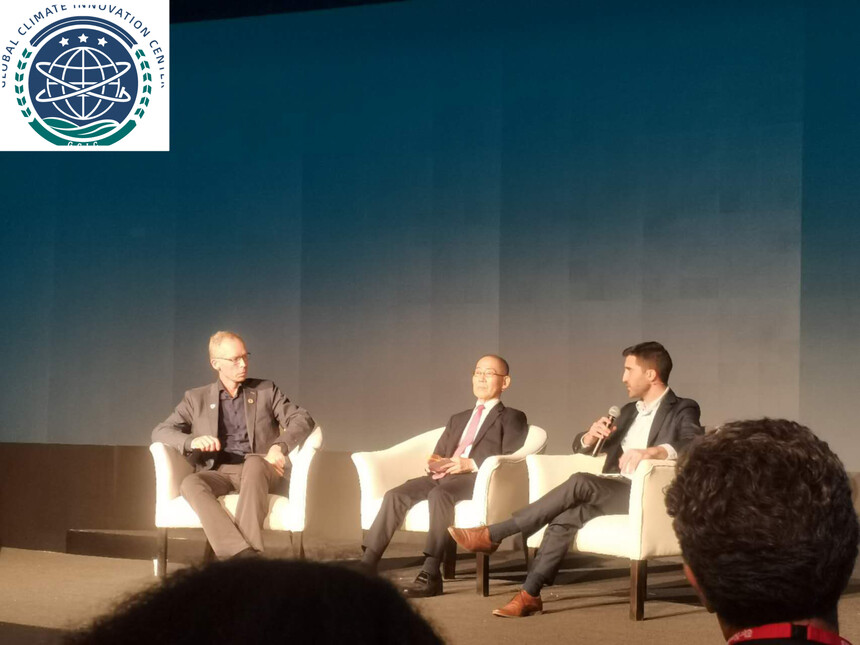
GCIC representatives attend COP27From November 7 to 18, 2022, the 27th United Nations Climate Change Conference was held in Sharm el Sheikh, Egypt. GCIC representatives had the honor to participate in the conference. Many thought-provoking discussions emerged at the meeting. Please follow the perspective of GCIC representatives to focus on these hot topics. How Close Are We to Tipping? When the host asked, "How many of you believe multinational corporations should be held responsible for carbon emissions?" , nearly half of the audience raised up their hands. After the conference, a British entrepreneur with more than 40 years of experience in carbon emissions told GCIC colleagues that all of us, consumers, should bear the main responsibility for carbon emissions. The air conditioners, shuttle buses, coffee machines,… All of these that we are now enjoying are based on the consumption of fossil fuels. We can't just blame the big oil companies. They only keep producing because we are demanding. In order to truly achieve the goal of zero carbon, we need to held sustainable development as our own responsibility, starting from ourselves, starting from today, and starting from every single thing.
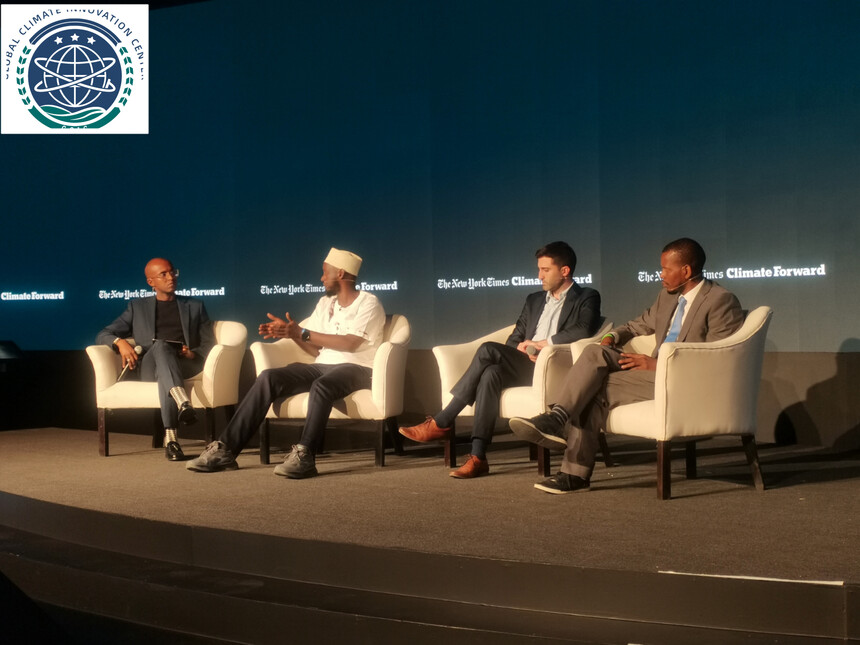
What is Africa's energy future? Many African countries are harnessing their oil and gas reserves as the world scrambles for energy: The Democratic Republic of Congo is auctioning off land rights in rainforests and peatlands, while Nigeria, Niger and Algeria are planning to pipe gas to Europe. Are there alternative ways for African countries to fund development and achieve economic justice besides tapping fossil fuel reserves? What solutions exist? What responsibility does the rest of the world have to realize them? During the Panel, representatives of African countries put forward the concept of "colonial hangover", pointing out that colonial countries should provide compensation and development support for privious colonies. Without the support of developed countries and major powers in capital, technology, education, etc., it is difficult for African countries to change their economic mode, which mainly relies on the export of raw materials.
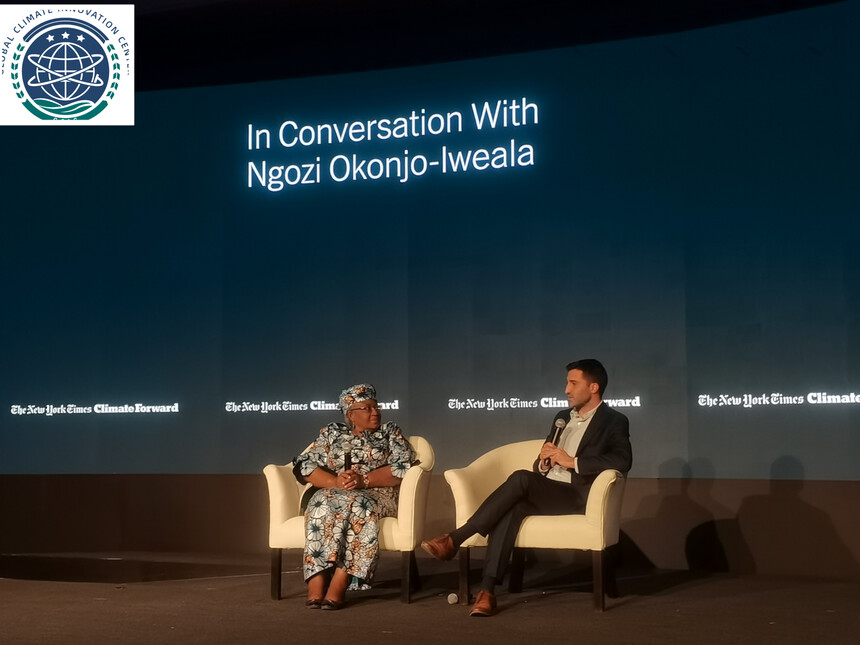
In Coversation with Ngozi Okonjo-Iweala According to Ngozi Okonjo-Iweala, Director-General of the World Trade Organization, the direct and indirect impacts of climate change have already affected the world economy more than any single economic crisis. We’ve always believed we can feed all the people in the world, but recent floods in countries such as Pakistan and Nigeria have severely affected the production of food crops, making millions of people suffering from hunger. WTO is trying to help countries that depend on food import, while developed countries, as the main source of funding, are themselves suffering from rising energy prices and inflation, thus posing a major challenge to world food security. Ngozi Okonjo-Iweala made a vivid analogy: Developed countries and world powers shouldn’t act like Sleeping Beauty, waiting to be awakened by a kiss so as to function. Individual countries should take responsibility, and most European countries have served a good example.
The importance of climate finance At COP26 in Glasgow, major banks, pension funds, insurance companies and other financial institutions promised to use $130tn of private capital to achieve net zero investment. But in recent months, two pension funds and an investment adviser have left Glasgow Financial Alliance to join Net Zero, because the former's rules are too strict. Elsewhere, political and other external pressure have caused private investment firms to turn their attention away from climate issues. If the world is to avoid the worst effects of climate change, private sector finance is essential. If private finance is to keep its words, cooperation among countries and industries should be strengthened. The private sectors need encouragement to become more actively engaged, learning how to conduct activities in respective fields in the context of sustainable development, and in doing so, to promote policy innovation. |