|
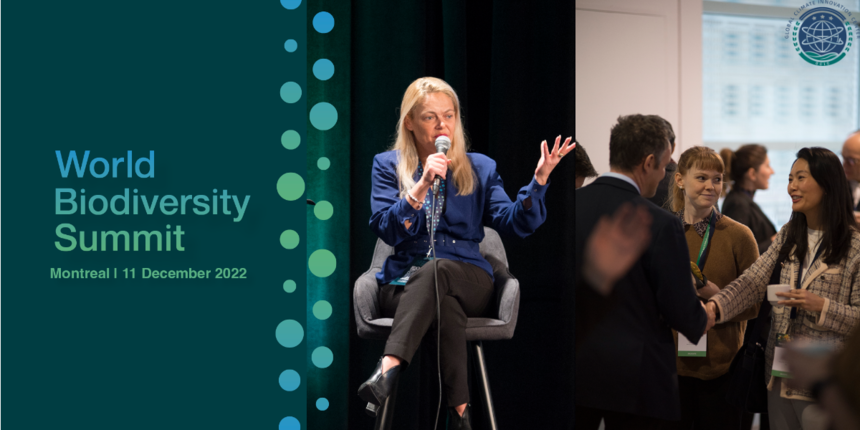
The World Needs a Deal——World Biodiversity SummitWorld Biodiversity Summit at the UNCBD COP15
As the third gathering of the World Biodiversity Summit in 2022 concluded, the momentum for a nature-positive future was palpable amongst participants; as was the call to action for the Parties of the UNCBD COP15 to achieve a deal in the negotiations.
Key Conclusions 1. A message for the UNCBD COP15 The World Climate Foundation gathered a full house at the Montreal Science Centre on the Sunday in the middle of the COP, and the message was clear: · Deal: We want a deal – a “Paris moment for nature”. The international cross-sector audience was varied in their experience, but unified in their demand – the deal doesn’t have to be perfect or detailed, it just has to be there. The Paris Agreement consisted of just 29 articles, and fit into fewer than 25 pages. Though we might not yet have all the answers, though we have yet to iron out some of the sticking points and develop solutions to all the complex problems, “Get the deal done” was, nevertheless, the emphatic call. · Disclosure: The cross-sector audience was decidedly welcoming of disclosure requirements. For those trying to do the right thing, it levels the playing field with effective regulation, applied consistently. There was full support of Target 15. · Data: From examples of pioneering data availability to discussions of the near-future potential of nature-tech, the message was that data is an area of massive growth and change, but any lack of data should not be used as a reason for inaction - neither at COP15 or in the economy. · Definition: We need to rally around a definition of success. Pioneering private-sector actors were undertaking to lead once under consistent direction of a coherent agreement. There was momentum behind a ‘halt biodiversity loss by 2030’, but the clear conclusion was that this definition could tighten and improve over time. An agreement could rally and tighten around Nature-Positive just as climate discussions have rallied around Net-Zero and the corresponding Race to Zero.
2. From New York to Montreal. We are not takers and owners, but members of the natural world. The dialogue at the first part of our Summit in New York highlighted the need to reframe our relationship with the natural world – there is a need to move beyond viewing ourselves as takers of the resources that nature offers and towards considering ourselves as members of a network of species that make up our planet. In Montreal, the conversations addressed the need for incorporating new and underutilised ways of thinking into biodiversity decision-making. From the transition to a circular economy to the wisdom offered by indigenous systems of thinking, our speakers highlighted the new and extraordinary opportunities that such changes can offer.
3. One Health and the interconnected climate and biodiversity crises Continuing the conversations started in New York and Sharm el-Sheikh, World Biodiversity Summit – Montreal once again demonstrated how closely interconnected the twin climate and biodiversity crisis are. We were able to take this further, with a session addressing the connections between human health and that of our natural world – a topic that is particularly pertinent in the wake of the recent pandemic. Our sessions highlighted how experts were seeking to tackle the biodiversity, climate and health resilience crises as related.
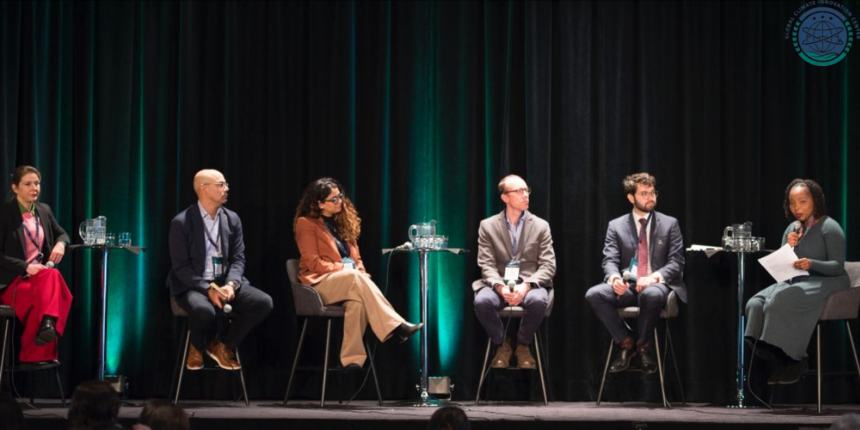
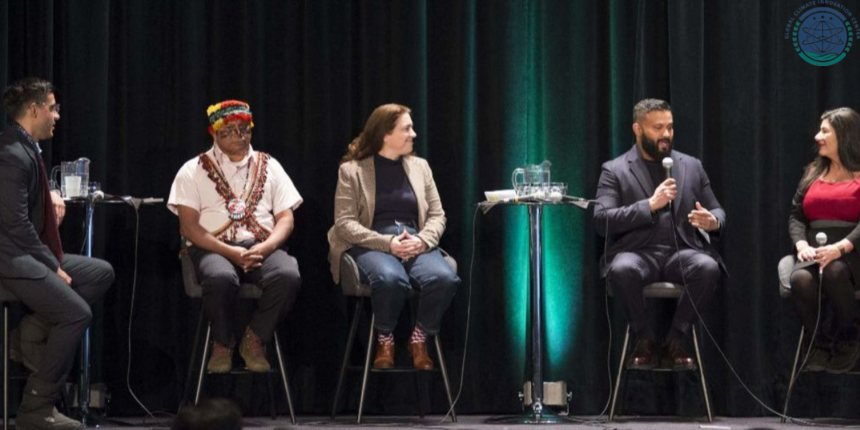
4. Inclusive partnerships & radical listening The Summit brought together a vast and diverse range of voices – from business and finance, to governments, youth and indigenous leaders. We are all stakeholders in protecting biodiversity, and it follows, therefore, that in order to develop the most effective, viable, and just biodiversity solutions, we build partnerships that are similarly diverse and inclusive. This was a sentiment echoed by our speakers at the Summit, many of whom reflected that there is a need for ‘radical listening’ - a need for elevating the voices of those stakeholders who have been traditionally overlooked, and a need for moving beyond traditional public-private partnerships towards more holistic approaches.
5. Nature is good business Many of our speakers brought attention to the wealth of opportunities that a nature-positive future can offer. Nature forms the very foundation of our markets and the most fundamental stages of supply chains. If nature flourishes, so too can our businesses and economies. When it comes to technology too, nature and opportunity go hand in hand. Nature Tech is a fast-growing field, with the potential to play a crucial role in reversing the biodiversity crisis.
6. Making space for optimism World Biodiversity Summit - Montreal was the latest in our series of gatherings of action-oriented ‘stubborn optimists’. As they shared the tangible results of their actions so far and laid out ambitious plans for the future, speakers at the Summit displayed the determination and proactiveness we will need in order to tackle the crisis together.
Key Announcements
|