|
Sustainability in the FIFA World Cup 2022Sustainability has always been at the core of the FIFA World Cup 2022™. It is believed that the preparation and delivery of a mega-sporting event can have a crucial long-term impact on leaving a greener, more equitable place for future generations. A sustainability framework is established to guide the implementation of the FIFA World Cup Qatar 2022™ Sustainability Policy, which describes the sustainability initiatives being implemented during the preparation, staging and post-tournament activities of the tournament.
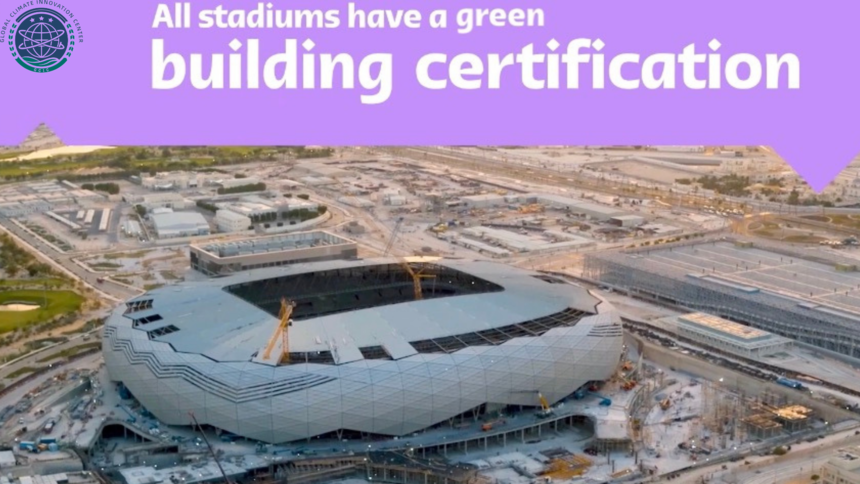
This sustainability framework includes our policy commitments, goals, material topics and strategic objectives organized according to five pillars: human, social, economic, environmental and governance. Now let’s take a quick look at these five pillars in turn. l Human: Develop human capital and safeguard worker’s right. l Social: Provide an inclusive tournament experience. l Economic: Catalyze economic development. l Environmental: Deliver world-class environmental solutions. l Governance: Set an example of good governance and ethical business practices. In terms of the environment, FIFA World Cup 2022 is fully carbon neutral, aimed to set a benchmark for environmental stewardship by implementing leading sustainable building standards, waste and water management practices and low-emission solutions.
To be specific, all World Cup 2022 GHG emissions are measured, mitigated and offset, while low-carbon solutions is advanced. Local air pollution from stadiums, training sites and transport services is minimized, promoting access to cleaner technologies in Qatar.
Through these work, a legacy of world-class environmental management expertise, technologies, businesses and standards is left in Qatar and the region. |